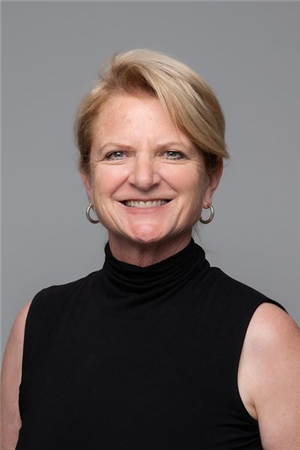
Raised on an Illinois family farm, Dr. Cynthia Daley co-founded and directs Chico State’s Center for Regenerative Agriculture & Resilient Systems.
Tuesday, October 13, 2026
Dr. Cynthia Daley is a nationally recognized leader in regenerative agriculture and the Director and Co-founder of the Center for Regenerative Agriculture & Resilient Systems at California State University, Chico.
Raised in a multigenerational farming family in Illinois, Dr. Daley earned her undergraduate degree from the University of Illinois and her doctorate from the University of California, Davis.
In 2006, she founded the Regenerative/Organic Dairy Program in collaboration with leaders in the organic dairy industry, one of the first programs of its kind in the western United States. In 2016, she co-founded the Regenerative Agriculture Initiative and led its evolution into the Center in 2019.
In 2024, she received the inaugural Gayle E. Hutchinson Presidential Award for Excellence.
UPCOMING FIXTURES
Tue, Oct 13 - Board Meeting, 7:30 a.m. Mom's
Tue, Oct 20 - Karin Lightfoot, World Polio Day
Tue, Oct 27 - Chico Housing Action Team presentation
Tue, Nov 3 - Captain David Kim, Salvation Army
Tue, Nov 10 - Melissa Schuster, Burnt Barn Distillery
Microphones: Pat Squared (Pat Conroy & Pat Macias)
Thought of the Day: Scott Schumann
TEAM REPORT
Co-captain Becky Brown reported for Chile Los Condores, and September was a full month. The team pitched in at Pasta on the Plaza for the Boys and Girls Club and worked parking at the Durham Harvest Festival, where Becky caught "the dulcet tones of Mary Sakuma" over the loudspeaker. They met at The Roost, took a coffee walk in Bidwell Park, and held a bar-crawl social with the Springboks. "Those people know how to party."
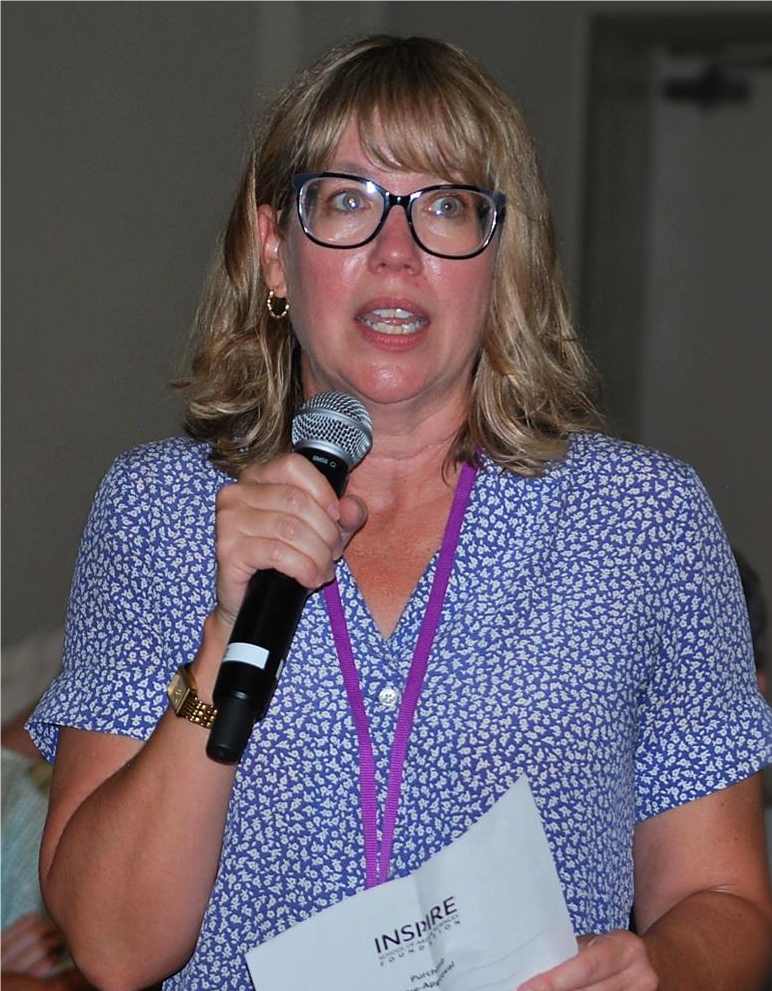
Saturday's Neverland Ball for Inspire was wonderful, and she thanked everyone who came. The Harvest Dinner is the team's social next weekend, though Cynthia Perrine reported from the floor that tickets are gone. Next up, the Condores will paint the Chico Community Observatory. Her close, “No mulch to spread, but we will be the mulch.”
President Beau's rugby history minute. Chile's big moment came in 2023, when Los Condores made their first Rugby World Cup. The pre-meeting video was Chile hosting Romania in Santiago
VISITING SIDES
None this week. Beau: “Nobody visiting. Nobody loves us.”
IN THE GRANDSTAND
Jean and Wally Snyder, Charlie Snyder’s parents, in from Washington, D.C.: a retired teacher and a retired lawyer.
Liz Sheen, development director, Work Training Center. Guest of Rick Nielsen.
Guests of Cynthia Perrine: Ze Yang, the land trust’s new finance manager; Hannah Espinosa, its stewardship manager; Sierra Stanley, Chico State development office; and Cynthia’s brother, C Brian Graves, who “had to take his dog to the groomer, but he’ll be right back.”
Allen Hawthorn, director of Friends of Butte Creek. Guest of Ken Dickson.
Susan Moretti, guest of Kevin Moretti: “my hard working wife.”
Joantha Guthrie, Waste Management. Guest of Annabel Grimm.
Daelyn Arellanes of Golden Valley Bank. Guest of Andy Amaro
FROM THE SIDELINE
World Polio Day.
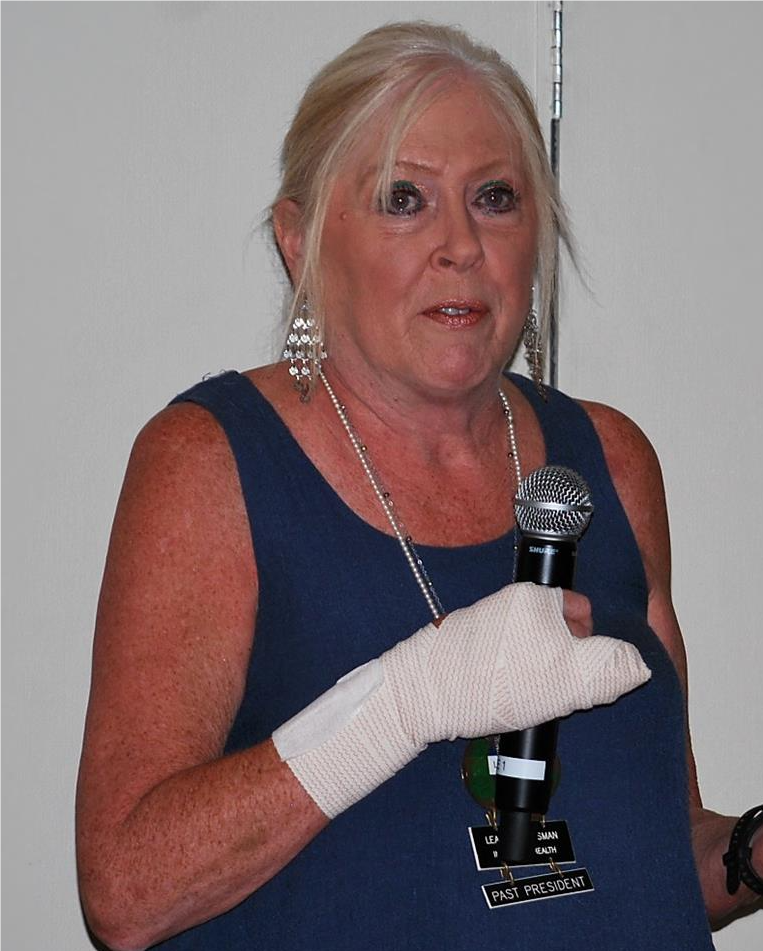
Oct 24, 10 a.m. to 1 p.m., at Rotary Centennial Park. Leanne Chrisman is short on volunteers: “We need help, basically.” If you can’t make the 24th, canvass the neighborhood on the 19th and hang door hangers, sponsored by Hall Marketing & Design.
On the day, help set up early or take down in the afternoon. The event itself runs only 10 to 1. “There’s lots of positions to fill, lots of fun activities.”
Polio point kicker.
With World Polio Day this month, Strength Coach Phil announced “a little impromptu kicker”: a PolioPlus donation in October earns two points instead of one, and signing up for the PolioPlus Society, “where the payment comes out automatically,” earns three. Teams can also earn points volunteering through the month, including at World Polio Day on the 24th.
This month’s head-to-heads: Trinidad & Tobago Calypso Warriors v Germany Black Eagles, Australia Wallabies v New Zealand All Blacks, and South Africa Springboks v Chile Los Condores. Phil also reminded folks: “Your teams don't get credit, don't get points if you do all this hard work and you don't do the survey - so be sure to fill out monthly surveys!”
His sign-off: “You’re rocking it, Beau.” Beau: “I don’t know about that, but thank you very much.”
Surf & Turf.
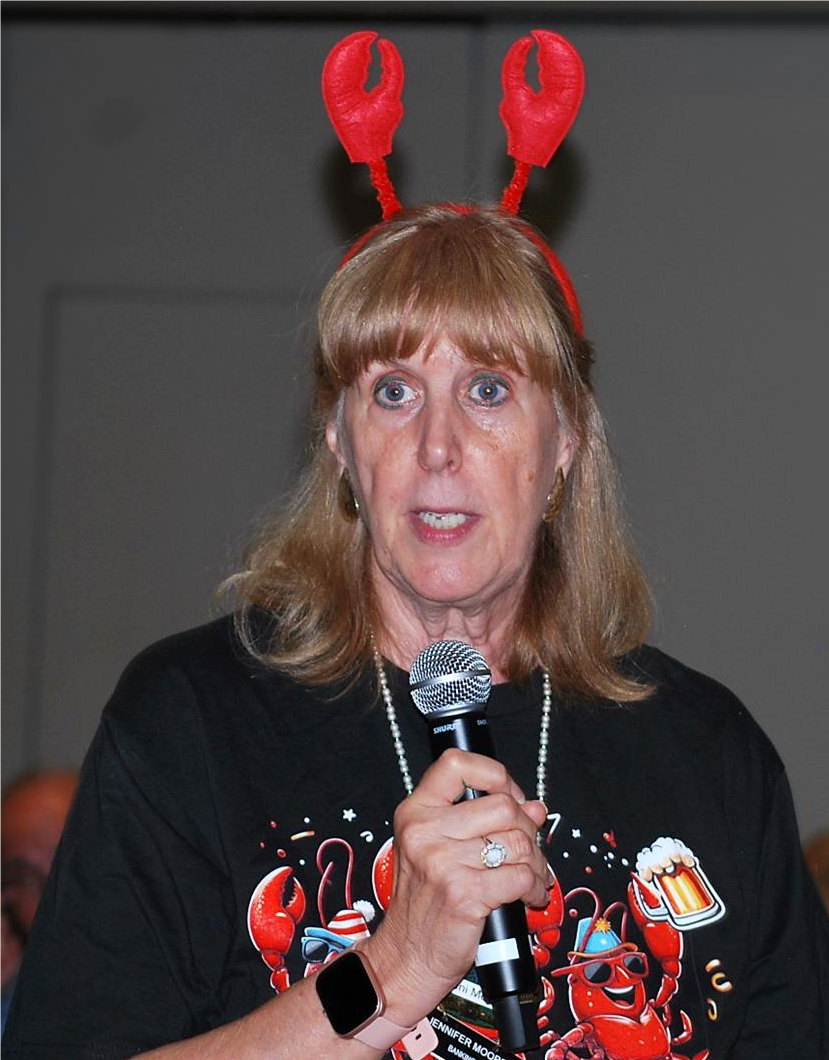
The November dinner is about 80% sold on tables, per Jeni Moore. Table sales cut off on the 17th, and whatever remains goes on Eventbrite as individual tickets. Three tables were held back, so at least 24 individual tickets will be offered. Volunteer sign-ups start next week. “And it is a meeting of record. So all hands on deck.”
She also saw the auctioneer at an event Saturday night, where he talked somebody into topping his own bid: “So he upped his own bid by $200.” President Beau: “I think it’s absolutely amazing that we stopped doing the brunch, decided to do something different, and basically on the second year of doing something different, hit about where we could have expected to be.”
Treat Street.
The date on Beau’s slide at the meeting was wrong, and the room let him know.
“Seriously? Oh, okay. My bad. I will change that. It’s on the 30th.”
Dane Bracewell will have more next week.
RUGBY KIT BAG
Beau, on “the Rotary Swag Grab Bag, which hasn’t really been that”: it was National Taco Day, so the prize was $20 to Sol Mexican Grill.
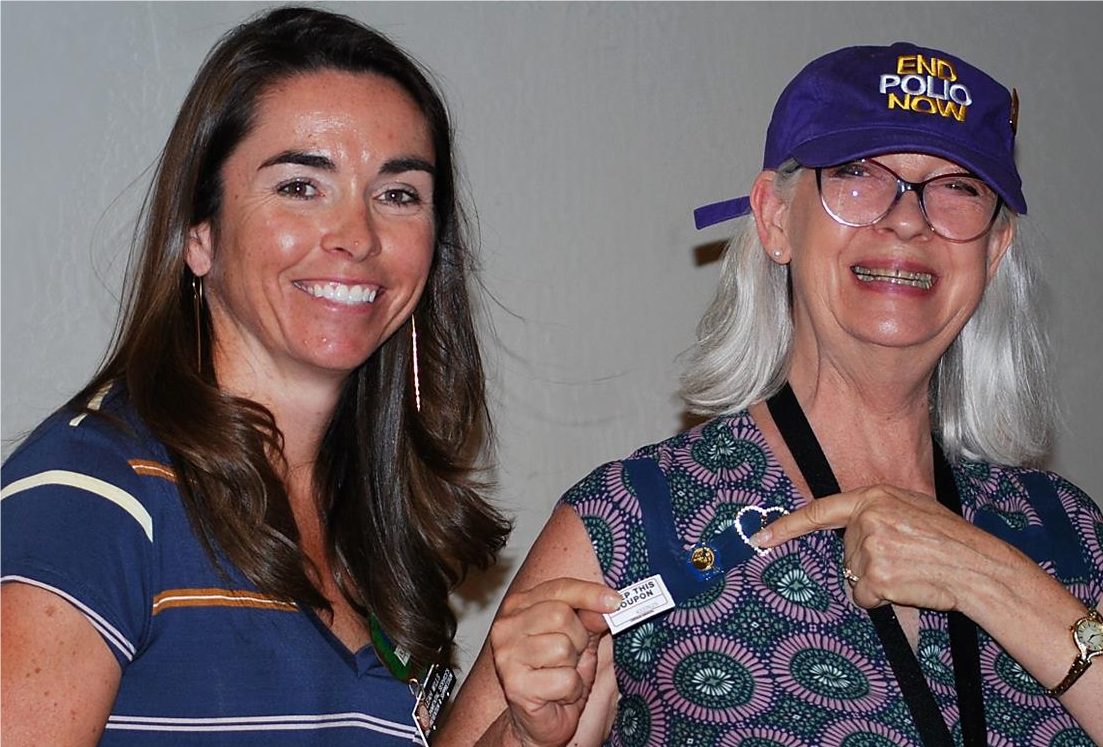
The winner was Karin Lightfoot. Beau guessed she had a polio pin on, and she pointed the club’s pin donation the same way: “Polio? We can do that.”
WORLD TRAVELER
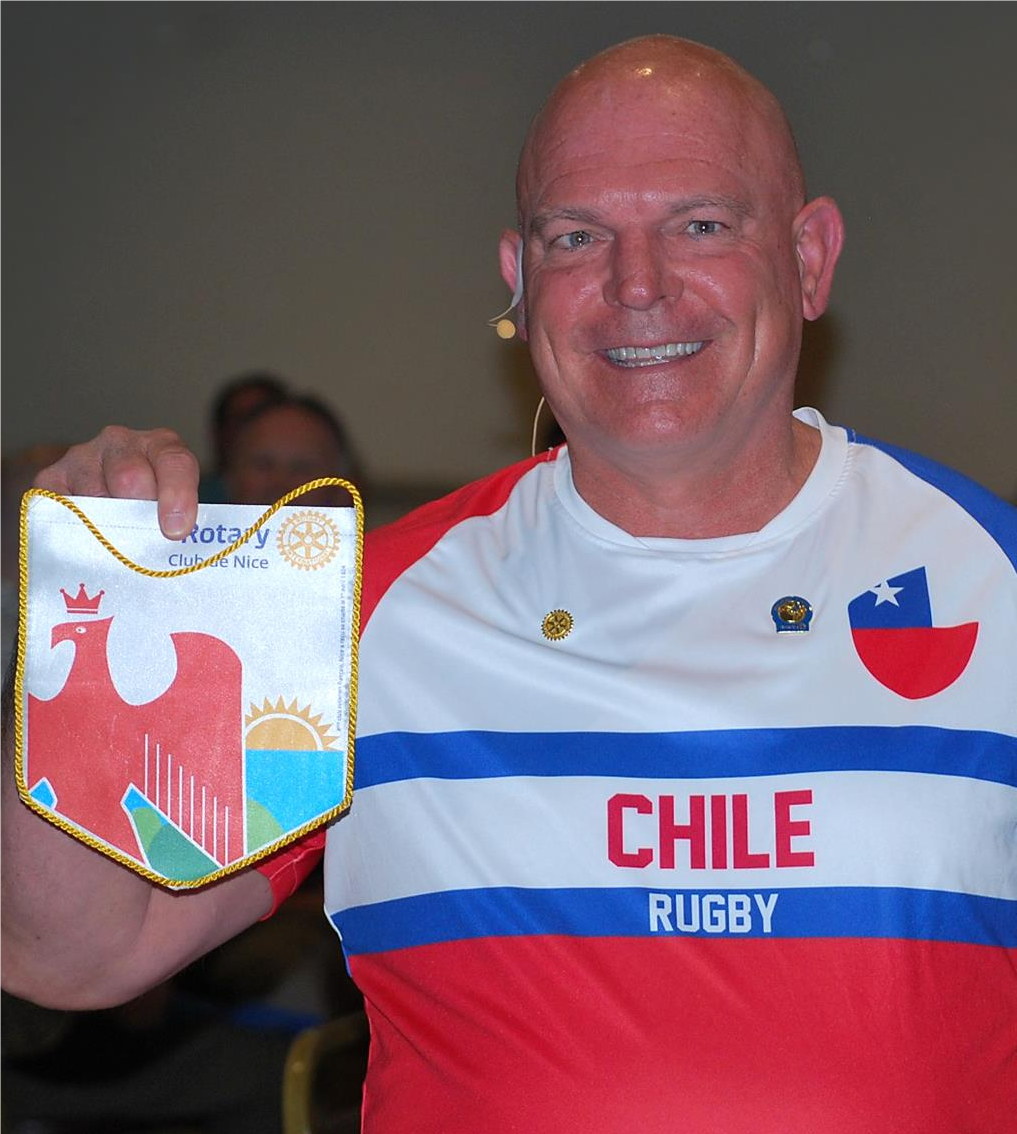
A banner from Nice.
John D’Ewart, law and estate planning (“seem to be fully retired”), brought Beau a banner from the Rotary Club of Nice, France.
Beau, after a run at the surname: “Did I just destroy your last name?” “Pretty close.”
John’s trip: a week in Nice (“Sweated a lot. It was very hot and humid”), a week in Paris, then a 10-day wine tasting tour, ending up in Champagne.
He got the banner at a meeting of the club, which he said was celebrating its 102nd year and is the third oldest in France. Some on the tour tasted more than 200 wines. Not John: “My mouth wore out, so I couldn’t do it.”
TRIBUTES
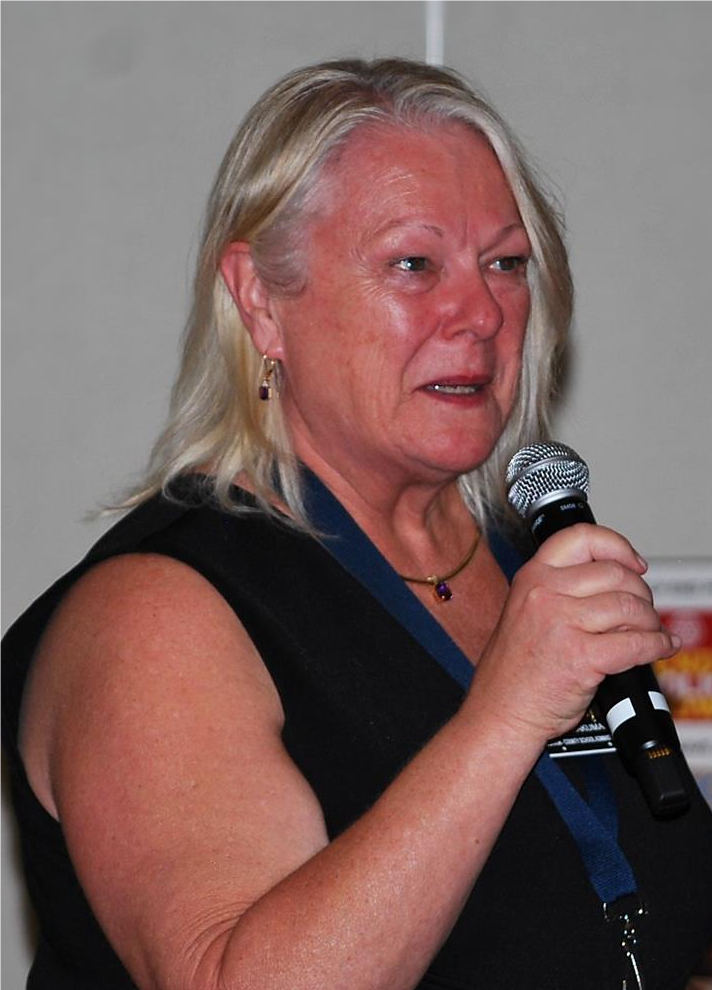
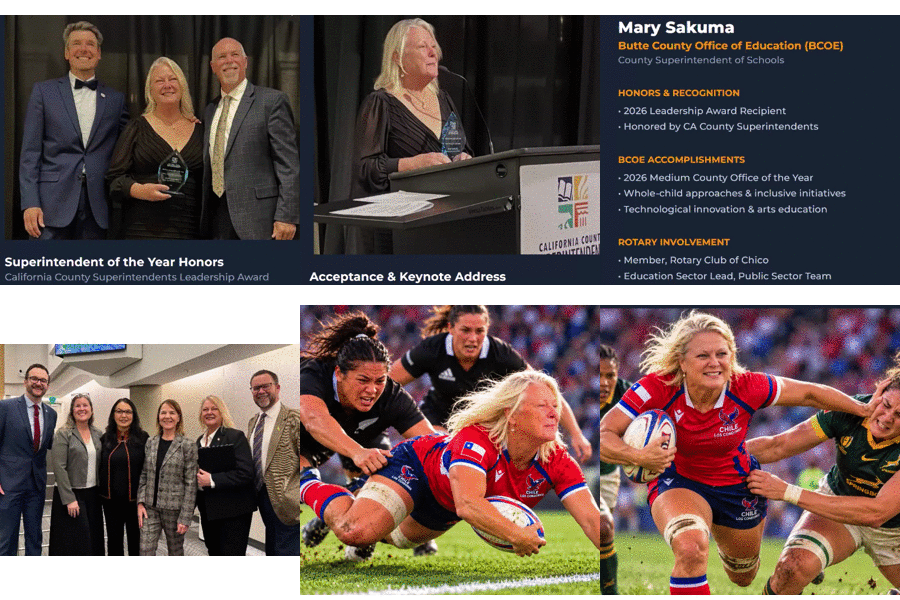
Mary Sakuma came up first, with Beau's compliments on the work she and her crew have been doing. The Butte County Office of Education was named Medium-Sized County Office of Education of the Year. About 25 or 26 of California's 58 counties count as medium-sized, depending on how attendance moves. Mary called it a leadership award, but mostly a recognition of the work the BCOE team does around the county and the state. Beau pointed out she picked up some personal recognition too, which she accepted on behalf of the team.
Beau also showed a photo from her testimony before the Assembly Education Committee on Proposition 28 arts money. Mary spoke for small rural districts, which were struggling to spend the money under its restrictions, and the legislation that came out of it gives them more flexibility.
Something the club doesn't know? Mary is proud of her Swiss heritage. About 20 years ago, on a visit to Switzerland, she entered a crossbow shooting contest. She did not place. One of her sisters did.
Beau countered with his brother-in-law, who was pulled out of the customs line in Japan and asked whether he was bringing in a crossbow.
Eight bells.
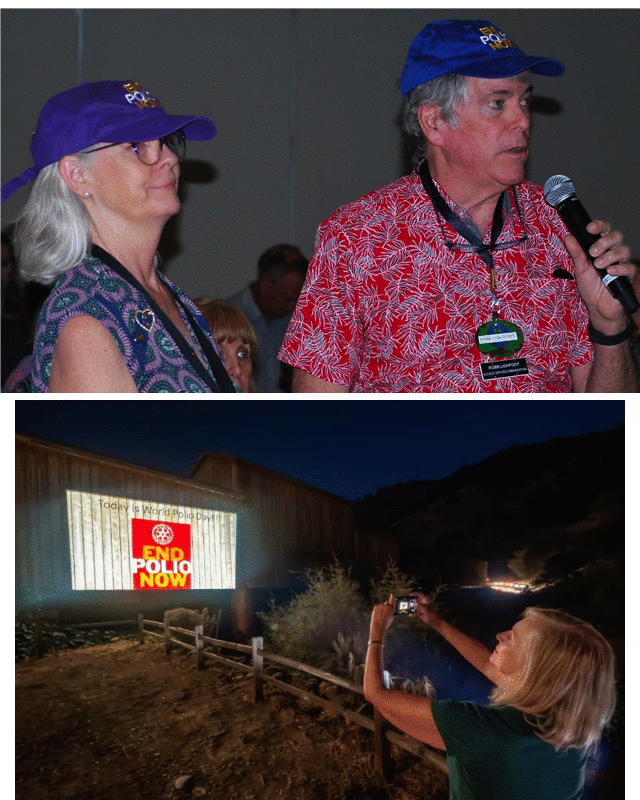
Robb and Karin Lightfoot were up next, back from a district trip of 15 to 20 people with the District Governor to Rotary International headquarters in Evanston. Robb's three takeaways: Rotary has tons of resources for anyone in a leadership role, if you know to ask; there is a national push to grow membership; and there are dozens of Rotary Fellowships.
He has joined the travel fellowship, about $25 a year and some 1,200 members, which works like Airbnb for Rotarians: look for a host when you travel, or host one yourself. There are fellowships for sailing and for drinking beer. Robb also has a district role and says there are still openings for India in November.
Karin described the Paul Harris home, where Harris and his wife lived until he died. The club once met in its basement. When the house came on the market after two private owners, the Rotary Club of Evanston bought it and raised the money to rebuild it to the studs. "If you ever go to Chicago, go." They brought Beau a pin and a medallion from the Rotary One Center.
Asked for something the club doesn't know, Robb, a lifelong gearhead who had owned 50 cars by his 20s, confessed to the hot-rodded car he drove as a college student. He had pulled out the air conditioning and bolted on a big carburetor, so in Bakersfield summers he had to run the heater to keep it going. That was the car he and Karin used to pick up their wedding cake, 45 minutes each way. The cake fell apart and melted on the drive home. "I am still alive. That's the amazing thing."
Five bells each.
NEW MEMBER INFO
Michael Dominick was inducted back on September 15 - print this and put it in your 2026-27 Member Directory!
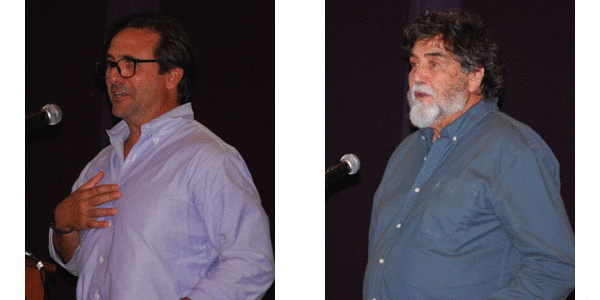
MATCH OF THE DAY
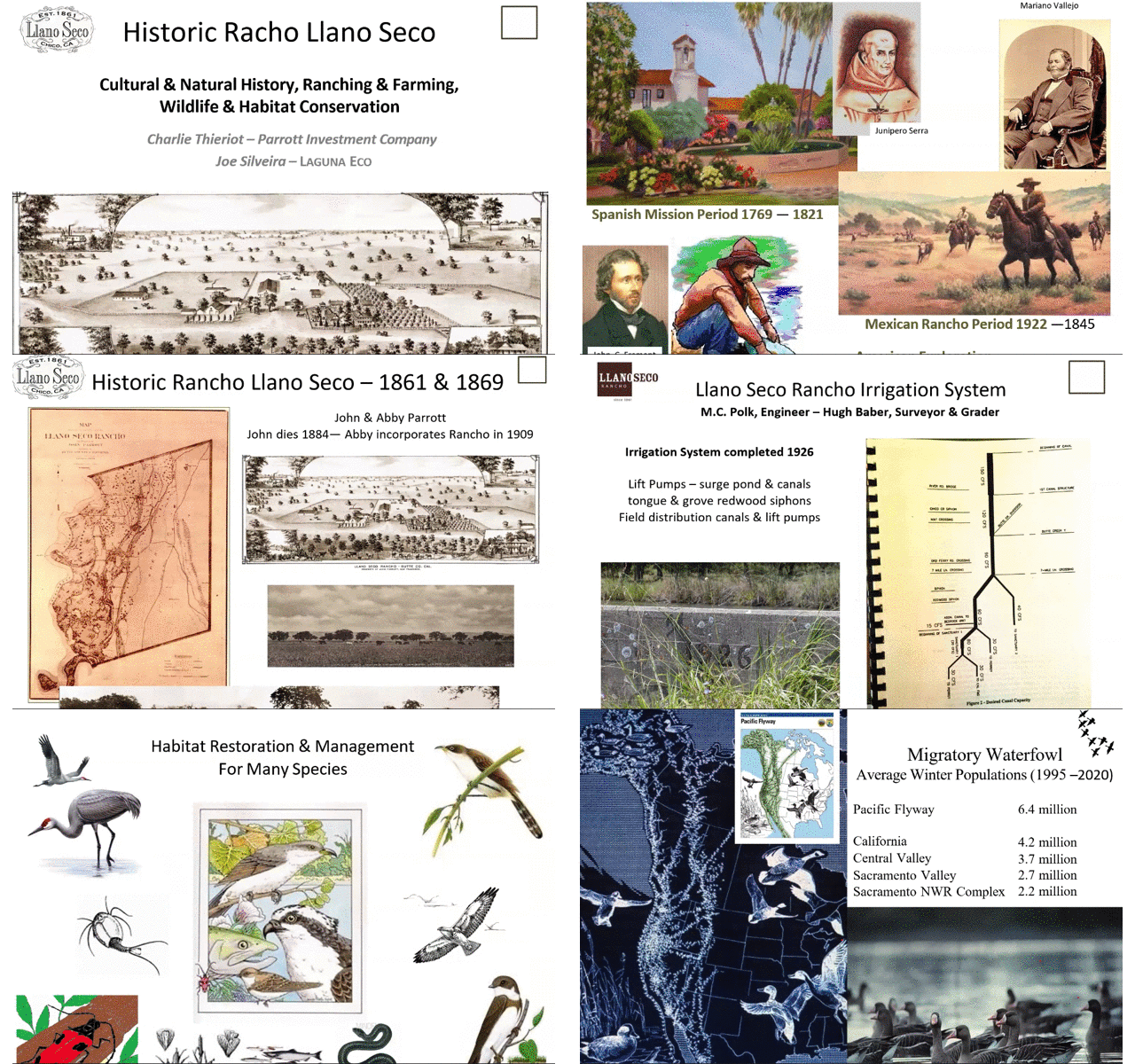
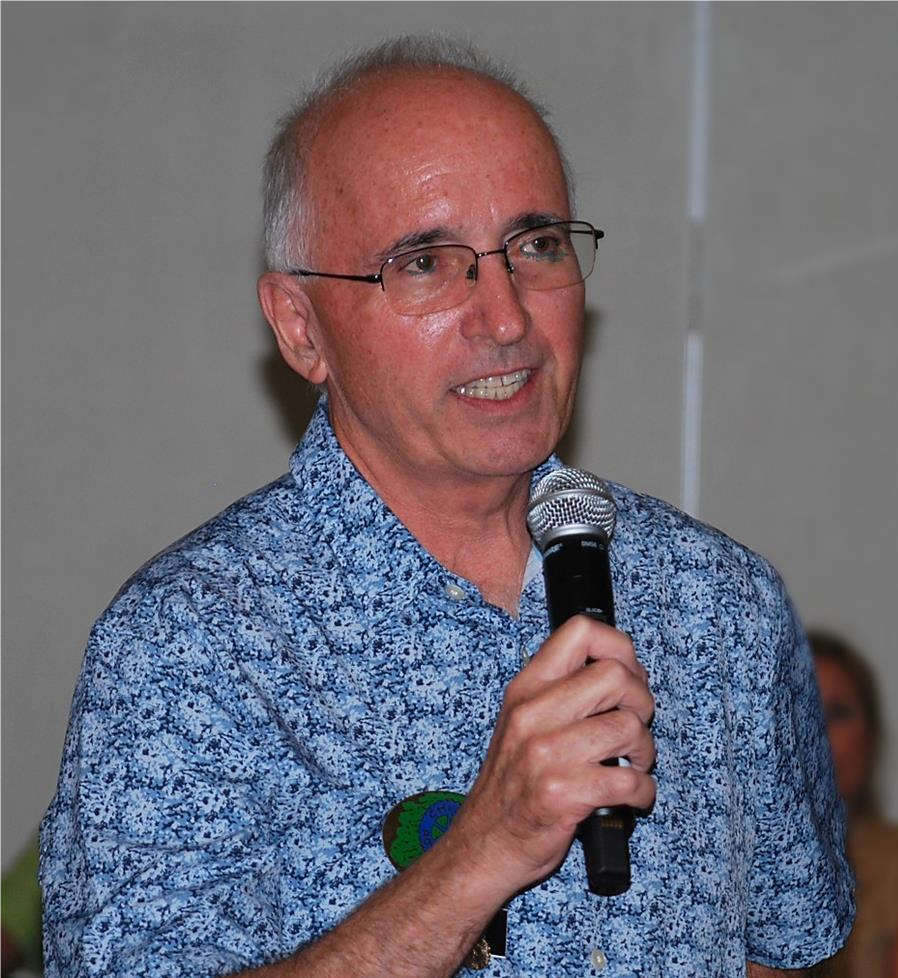
Charlie Thieriot, CEO of Parrott Investment Company and a direct descendant of John and Abbie Parrott, and Joe Silveira, retired manager of the Sacramento River National Wildlife Refuge, took the club through the history and natural history of Rancho Llano Seco. Cynthia Perrine introduced them; she and Joe realized years after the fact that they had first met studying vernal pools at what is now UC Merced, and she'll "follow Joe just about anywhere." Charlie, a rugby player, wished there were more Pumas gear in the room.
The rancho started as a Mexican land grant to Sebastian Keyser, who sold it for 15 cattle at $5 each. John Parrott bought it in 1861 for about $69,950, and it has stayed in single ownership since. An irrigation system out of Little Chico Creek, built about 1926, turned it into a diversified ranch with 100 employees.
When the Army Corps came to build levees in the 1930s, the ranch said no thanks, then called back after the 1937–38 floods. The Corps had learned something: Llano Seco is a natural outflow to the Sutter Bypass. Angel Slough, a braided channel of the Sacramento about 5,000 years old, still carries water. Conservation easements beginning in 1991 now protect nearly all of it, at about $2 million. Joe once counted 2.1 million waterfowl there in a single survey.



 John’s trip: a week in Nice (“Sweated a lot. It was very hot and humid”), a week in Paris, then a 10-day wine tasting tour, ending up in Champagne.
 Asked for something the club doesn't know, Robb, a lifelong gearhead who had owned 50 cars by his 20s, confessed to the hot-rodded car he drove as a college student. He had pulled out the air conditioning and bolted on a big carburetor, so in Bakersfield summers he had to run the heater to keep it going. That was the car he and Karin used to pick up their wedding cake, 45 minutes each way. The cake fell apart and melted on the drive home. "I am still alive. That's the amazing thing."